
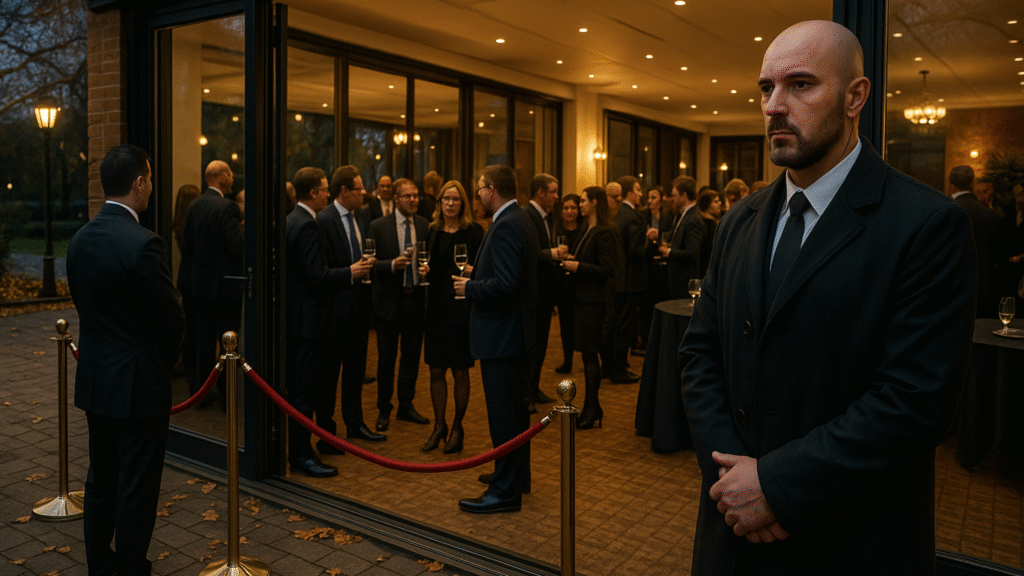
Successful event security management planning ensures your corporate gatherings run smoothly and safely—discover essential strategies for autumn events across Greater London, Surrey, and Sussex.
Building Comprehensive Event Security Foundations
Autumn marks peak season for corporate events across the region, from conferences and product launches to awards ceremonies and networking gatherings. Effective event security management planning protects attendees, safeguards reputations, and ensures seamless execution regardless of circumstances.
Corporate event organisers face increasing complexity in security requirements. Threats range from uninvited guests and equipment theft to medical emergencies and potential terrorist incidents. Comprehensive planning addresses these diverse scenarios through systematic risk assessment and coordinated response protocols.
Professional event security tailored to corporate gatherings combines visible deterrence with discreet protection, maintaining sophisticated atmospheres whilst ensuring safety. Starting with thorough event plan development establishes the foundations for successful outcomes.
Venue Risk Assessments: Understanding Your Environment
Pre-Event Site Evaluations
A comprehensive risk assessment begins weeks before the event dates. Detailed venue inspections identify potential threats, structural vulnerabilities, and operational challenges that could compromise safety or disrupt proceedings.
Assessment teams evaluate entry points, crowd flow routes, emergency exits, and service access areas to ensure they meet safety standards. Understanding venue layouts enables strategic security positioning that manages access whilst remaining unobtrusive. Identifying potential bottlenecks enables proactive crowd management planning, preventing congestion and ensuring a comfortable experience for attendees.
Electrical systems, fire safety equipment, and emergency lighting require verification to ensure functionality throughout events. Coordination with venue building management teams confirms operational systems meet event requirements and comply with health and safety regulations.
Seasonal Weather Considerations
Autumn weather presents specific challenges requiring contingency plans. Rain, wind, and early darkness affect outdoor elements, guest arrivals, and emergency evacuation procedures. Weather contingencies should address marquee stability, pathway lighting, and alternative arrangements if outdoor areas become unusable.
Temperature fluctuations between daytime and evening events demand heating considerations for guest comfort and safety. Ensuring adequate provision prevents health issues whilst maintaining positive event experiences that reflect well on organisers.
Guest Screening and Access Control
Registration and Verification Systems
Professional access control security begins with robust registration processes. Digital systems that track confirmed attendees enable efficient check-in while identifying unauthorised access attempts. Pre-event registration data allows security teams to prepare for specific requirements, including dietary needs that might indicate allergies requiring emergency response readiness.
Multiple entry points require coordinated management to ensure consistent screening standards across all access routes. Technology integration—such as QR code scanning, RFID badges, or biometric verification—accelerates processing while maintaining security integrity.
Guest lists for high-profile corporate events often include VIP attendees who require discreet verification to avoid public queuing. Separate entrance arrangements strike a balance between security requirements and executive expectations for premium treatment.
Prohibited Items and Bag Checks
Clear communication about prohibited items prevents confrontations during screening. Signage at entry points, pre-event emails, and staff briefings ensure consistent messaging that helps attendees prepare appropriately.
Bag checking procedures require a balance between security needs and guest privacy. Professional manned guarding teams, trained in courteous screening techniques, maintain positive atmospheres while protecting event security.
VIP Protection: Discreet Executive Security
Risk Profiling for High-Value Attendees
Corporate events often host executives, investors, or public figures whose presence necessitates heightened security requirements. Individual risk assessments for VIP guests identify specific threats, such as stalkers, corporate espionage, or unwanted media attention, requiring tailored protection measures.
Corporate security specialists provide discreet protection details for executive attendees without creating intimidating atmospheres that affect other guests. Professional teams blend into event environments, maintaining vigilance whilst avoiding prominent security presence that might signal VIP locations to potential threats.
Secure Transportation and Movement
VIP security extends beyond venue perimeters to include protection at arrival and departure. Coordination ensures safe transit between locations, hotels, and event venues across Greater London and surrounding areas.
Internal venue movement planning identifies discreet routes, avoiding public areas when necessary. Advance coordination with event organisers ensures VIP requirements integrate smoothly with overall event management without disrupting planned activities or guest experiences.
Crowd Flow Management: Safe and Smooth Operations
Capacity Planning and Density Control
Effective crowd management begins during the event planning stages. Understanding venue capacity limits and creating realistic attendance targets prevents dangerous overcrowding whilst maintaining vibrant atmospheres that justify ticket prices or participation costs.
Strategic layout planning guides natural crowd flow patterns. Clear pathways between key areas—registration, main halls, catering, and facilities—prevent congestion whilst encouraging desired movement patterns that support event objectives.
Peak flow periods—encompassing event opening, interval breaks, and closing—require additional security presence to manage density and prevent bottlenecks. Trained crowd control personnel recognise early signs of problematic congestion and implement preventive measures before situations escalate.
Queue Management Systems
Registration, bar services, and popular exhibitor stands generate queues requiring professional management. Barrier systems, clear signage, and attentive staff maintain orderly processes while monitoring for security concerns—such as pickpockets, altercations, or medical emergencies—that often occur in crowded conditions.
Emergency Preparedness: Planning for Every Scenario
Evacuation Procedures and Emergency Exits
Comprehensive emergency response plans address a wide range of scenarios, from fire alarms to security threats that require immediate evacuation. All security personnel and venue staff must be familiar with evacuation routes, assembly points, and their designated roles during emergencies.
Emergency exits require constant monitoring to ensure clear access throughout events. Equipment, furniture, or crowd buildup blocking exits creates deadly risks during emergencies. Regular checks throughout the event verify continued compliance with fire safety requirements.
Integration with fire alarm monitoring and intruder alarm monitoring systems ensures a rapid response to technical alerts. Coordination with alarm monitoring centres provides immediate professional assessment of alarm activations, distinguishing genuine emergencies from false alarms.
Medical Emergency Response
Medical emergencies at corporate events range from minor incidents to life-threatening situations requiring immediate intervention. On-site medical personnel, clearly identified first aid stations, and documented emergency contact information for local hospitals ensure prompt and appropriate responses.
Communication systems enabling rapid notification of medical teams prove essential during critical incidents. Radio networks, mobile apps, or dedicated emergency phones ensure that security teams can summon assistance immediately, regardless of the venue’s location or the availability of network coverage.
Liaison with Local Authorities
Pre-event coordination with local authorities—police, fire services, and ambulance services—establishes relationships that facilitate rapid response in the event of serious incidents. Significant events may warrant a police presence or notification, ensuring that emergency services are aware of the event’s timing, location, and potential demands on their resources.
Equipment and Asset Protection
Valuable Technology Security
Corporate events often feature expensive equipment, including audio-visual systems, display technology, branded merchandise, and demonstration products, which require robust asset protection throughout the event period.
Secure storage areas for equipment during setup, breaks, and overnight periods prevent theft. CCTV monitoring, covering storage locations, loading areas, and valuable display positions, deters opportunistic theft while providing evidence in the event of incidents.
Overnight security between multi-day events proves particularly important. Mobile patrol visits, supplemented by static guards at high-value locations, protect investments while demonstrating due diligence to insurers and equipment suppliers.
Intellectual Property Protection
Product launches, strategic announcements, or confidential presentations often contain sensitive information that requires protection from industrial espionage. Screening procedures for media, recording device policies, and secure areas for confidential discussions prevent unauthorised information gathering.
Coordinated Security Management
Command and Communication Structures
Effective event security management planning establishes clear command structures, ensuring coordinated responses to incidents. Security directors, venue managers, and event organisers maintain constant communication through dedicated channels, enabling rapid decision-making during dynamic situations.
Regular briefings throughout events keep all personnel informed about schedule changes, emerging issues, or adjusted security measures. Pre-event briefings ensure everyone understands their roles, communication protocols, and emergency procedures before guests arrive.
Technology Integration
Modern event security leverages technology to enhance human capabilities. Real-time guest tracking through badge scanning enables the identification of attendance patterns, facilitating targeted communication and engagement. Integrated physical security systems—access control, surveillance, and alarms—provide comprehensive situational awareness through centralised monitoring.
A professional security consultancy during the planning stages ensures that technology investments address actual requirements rather than adding unnecessary complexity. Appropriate solutions strike a balance between capability and usability, ensuring that security teams can operate systems effectively under pressure.
Post-Event Reviews: Continuous Improvement
Comprehensive debriefing sessions following events capture lessons learned whilst memories remain fresh. Reviewing incidents, near-misses, and operational challenges identifies improvements for future events. Documentation builds organisational knowledge that enhances subsequent event security management planning.
Guest feedback about security experiences—both positive and negative—provides valuable insights into the security experiences of our guests. Balancing security requirements with attendee comfort remains an ongoing challenge requiring continuous refinement based on real-world results.
Planning Your Successful Corporate Event
Autumn corporate events across Crawley, Greater London, Surrey, and Sussex require sophisticated event security management planning that addresses diverse threats while maintaining professional atmospheres. Systematic preparation, encompassing venue assessments, access control, crowd management, emergency preparedness, and equipment protection, ensures successful outcomes that enhance organisational reputations.
Professional security services, designed specifically for corporate event environments, deliver the expertise, personnel, and technology integration that transform security from a concern into a competitive advantage.
Plan your corporate event security with our expert team. Our event security planning service combines comprehensive risk assessment, experienced security personnel, and coordinated management, ensuring your autumn corporate events proceed safely and smoothly. Contact Quantum Group today to discuss your event security requirements and discover how professional planning delivers peace of mind alongside successful outcomes.